California’s New Two-ADU Law: What Sacramento-Area Homeowners Need to Know in 2027
California continues to make changes to its housing laws, creating new opportunities for homeowners who want to make better use of their property. One of the latest updates is Assembly Bill 956 (AB 956), a new law that expands options for building accessory dwelling units, commonly known as ADUs.
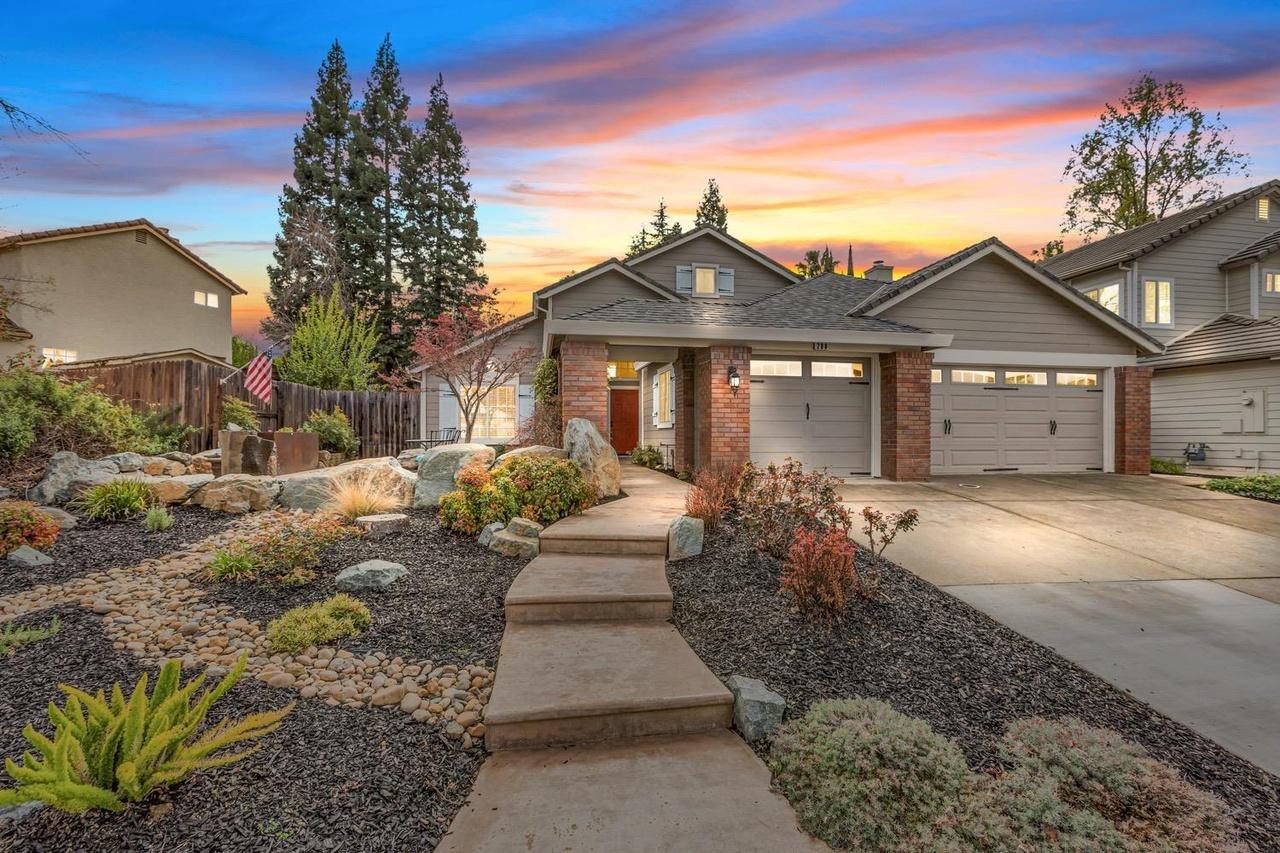
For homeowners in Sacramento, Folsom, Fair Oaks, and El Dorado Hills, this change could open the door to additional living space, potential rental income, and more flexible property use.
But what exactly does the new two-ADU law mean, and how could it affect your home?
What Is California’s New Two-ADU Law?
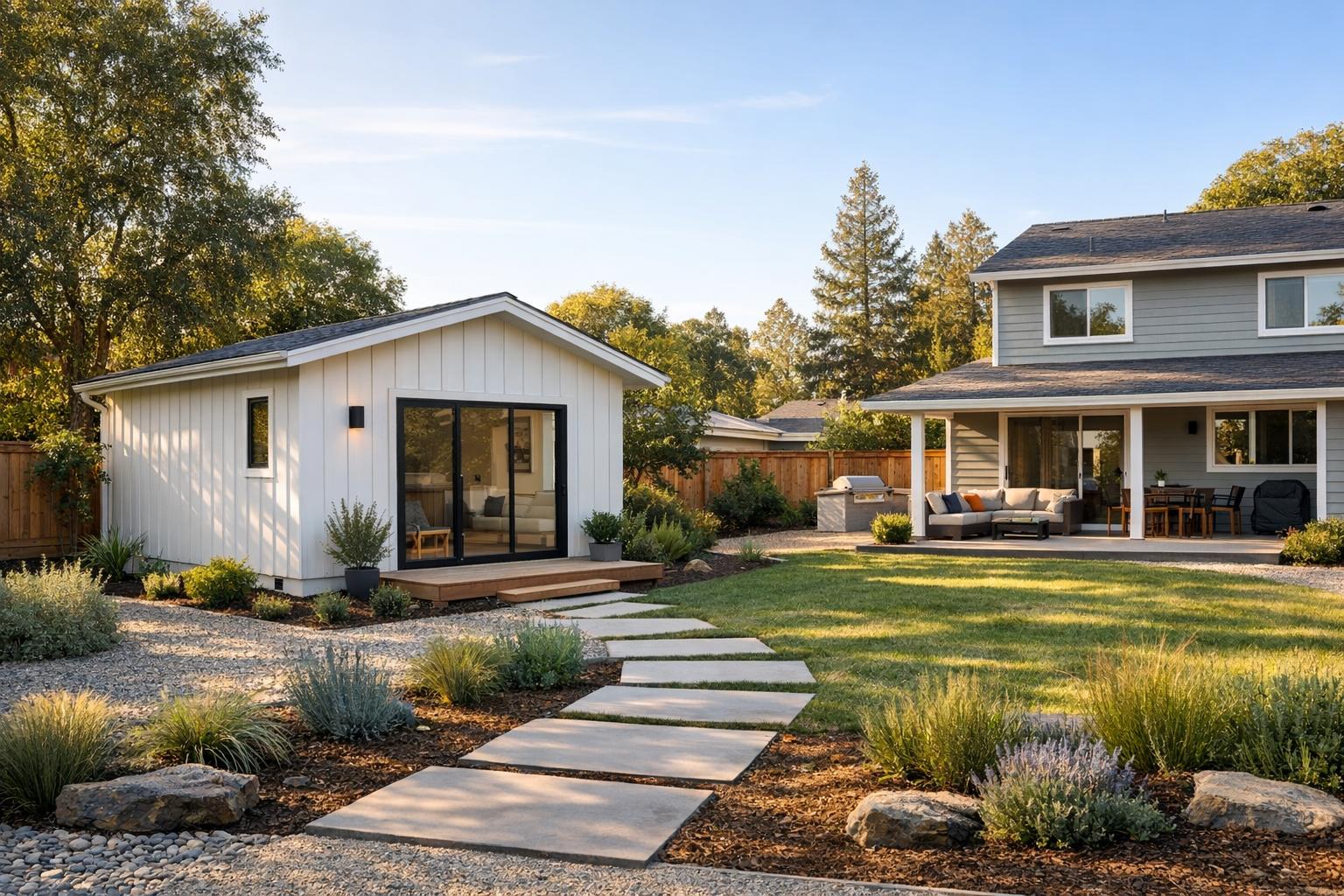
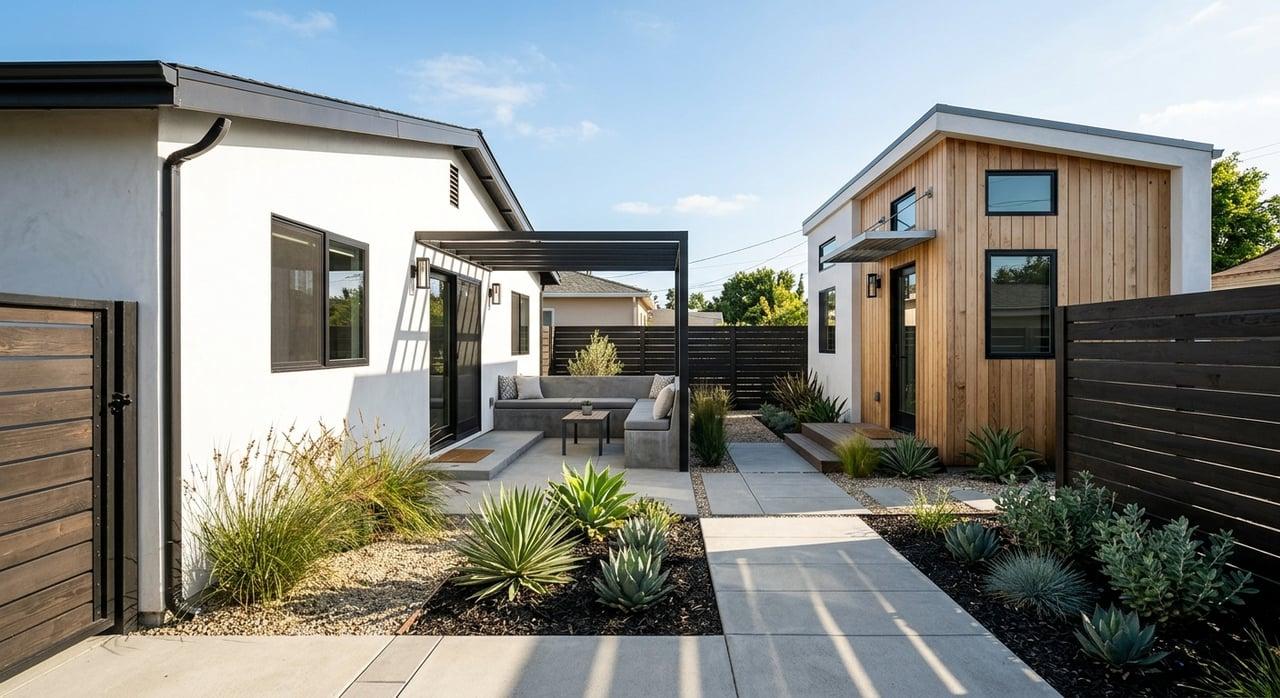
Signed by Governor Gavin Newsom on September 29, 2026, AB 956 expands California’s streamlined ADU approval pathway to allow up to two detached ADUs on qualifying lots with a proposed or existing single-family home. The law is scheduled to take effect on January 1, 2027.
Previously, this particular streamlined pathway generally allowed one newly constructed detached ADU of up to 800 square feet on a qualifying single-family lot. Under the new law, eligible homeowners may be able to build two detached ADUs through this pathway, subject to applicable state requirements.
The law also expands certain protections against private restrictions that effectively prohibit or unreasonably restrict otherwise lawful ADUs. However, reasonable restrictions may still apply.
It is important to understand that this does not mean every homeowner can automatically build two backyard homes. Property eligibility, building standards, setbacks, height limits, and other applicable requirements still matter.
What Is an Accessory Dwelling Unit (ADU)?
An accessory dwelling unit is a smaller, independent residential home located on the same property as a primary residence. It may be attached to the main home, built separately in the backyard, or created by converting an existing structure, such as a garage.
ADUs are also commonly called granny flats, in-law suites, backyard cottages, or secondary units.
Homeowners use ADUs for different purposes, including housing family members, creating a separate living space for guests, or renting the unit to generate additional income.
A detached ADU has no shared wall with the main residence. This is the type of unit specifically addressed by the expanded two-detached-ADU approval pathway under AB 956.
How Could the New Law Benefit Homeowners?
1. More Opportunities for Rental Income
One potential benefit is the opportunity to create additional rental housing on a property that qualifies.
For example, a homeowner in Sacramento with sufficient backyard space might explore building two detached ADUs instead of just one under the expanded pathway. Depending on construction costs, rental demand, financing, and local requirements, the additional unit could provide another source of income.
However, rental income is not guaranteed. Homeowners should carefully estimate construction expenses, insurance, maintenance, utilities, taxes, and potential vacancy periods before committing to a project.
2. More Flexible Housing for Family Members
ADUs can provide additional space for aging parents, adult children, relatives, or other household members who want greater independence while remaining close to family.
In communities such as Folsom and El Dorado Hills, homeowners with suitable properties may appreciate having more options for accommodating changing family needs.
A separate unit can offer privacy while allowing family members to remain near one another. Before building, consider accessibility, parking, utility connections, and the amount of outdoor space that would remain available.
3. Better Use of Existing Property
Some homeowners have large backyards or underused portions of their lots. An ADU project may provide an opportunity to make that space more functional.
For example, a homeowner in Fair Oaks might explore whether an existing backyard could accommodate additional housing without changing the primary residence.
Still, available land alone does not establish eligibility. Building placement, access, fire safety, utility capacity, drainage, and local site conditions can affect what is possible.
4. Potential Long-Term Property Value Benefits
Additional legal living space may make a property more attractive to certain future buyers, particularly those interested in multigenerational living or rental opportunities.
However, an ADU does not automatically increase a home's value by the amount spent on construction. The financial impact depends on the quality of the project, the local housing market, permitted use, and buyer demand.
Homeowners should evaluate the potential return alongside their personal plans and the costs of building and maintaining additional units.
What Should Homeowners Check Before Building?
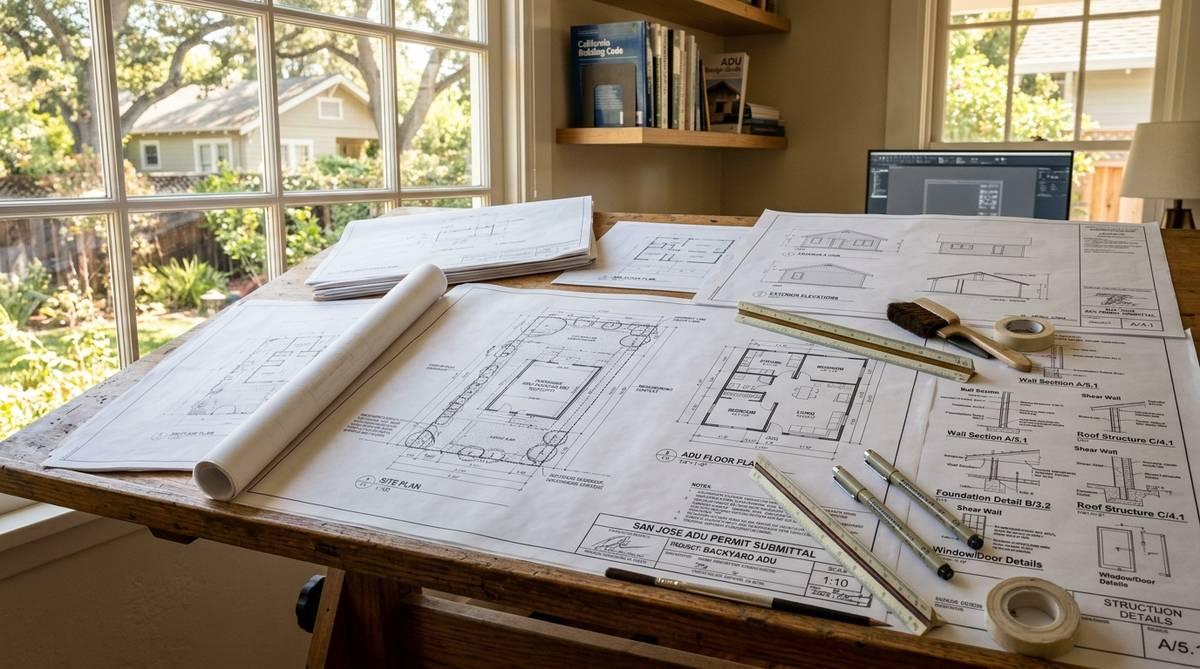
Although AB 956 expands the streamlined approval pathway, homeowners should not begin construction based on the new law alone.
First, confirm your property's eligibility. A qualifying single-family lot may be eligible for two detached ADUs through this pathway, but the rules and allowable configurations depend on the property and applicable state requirements.
Second, review setbacks and size limits. The streamlined pathway retains applicable standards, including an 800-square-foot size limit for each of the two detached ADUs under this provision, along with relevant setback and height requirements.
Third, check your local jurisdiction. Sacramento, Folsom, Fair Oaks, and El Dorado Hills fall under different permitting jurisdictions depending on the property's exact location. Contact the relevant city or county planning and building department to confirm local procedures and site-specific requirements.
Fourth, prepare a realistic budget. Construction, architectural plans, permits, utility connections, site preparation, and ongoing maintenance can add up. California also enacted Senate Bill 1117 (SB 1117), which changes how certain local impact fees are calculated for qualifying ADU projects beginning January 1, 2027. Ask the local agency how the updated rules apply to your project.
Finally, consider your long-term goals. Decide whether you intend to house family members, rent the units, or preserve flexibility for future use. Your plans may influence the design, layout, and financial feasibility of the project.
Does the New Law Mean HOAs Cannot Restrict ADUs?
AB 956 expands certain state-law protections against homeowners association (HOA) rules and private covenants that effectively prohibit or unreasonably restrict lawful ADUs in qualifying circumstances.
This is important for homeowners who live in communities with HOA regulations. However, the change does not eliminate every HOA rule or all property restrictions. Reasonable restrictions can remain applicable, and the details depend on the circumstances.
If your home is part of an HOA, review your governing documents and consult qualified professionals before starting a project.
What Does This Mean for Sacramento-Area Homeowners?
The new two-ADU law creates additional possibilities for homeowners who want to explore rental income, multigenerational housing, or a more flexible use of their property.
For homeowners in Sacramento, Folsom, Fair Oaks, and El Dorado Hills, the most important next step is to determine whether the property qualifies and whether an ADU project makes financial and practical sense.
With careful planning, an understanding of local requirements, and a realistic budget, homeowners can make more informed decisions about their property's future.
Thinking About Your Property’s Potential?
At Star Home Realty, we understand that your property can be more than just a place to live. Depending on your goals and the applicable regulations, it may offer opportunities to support your family, explore rental housing, or plan for the future.
If you're a homeowner in Sacramento, Folsom, Fair Oaks, El Dorado Hills, or a nearby community and want to explore your real estate options, contact Star Home Realty today. Our team can help you consider your property's potential and connect you with the appropriate resources to take the next step.
Your property, your goals, your next chapter—let's explore the possibilities together.
Disclaimer: This article is for general educational purposes only and is not legal, tax, construction, or financial advice. AB 956 and SB 1117 are scheduled to take effect January 1, 2027. Eligibility, permits, fees, and restrictions depend on the applicable law and property-specific circumstances. Verify requirements with the appropriate local agency and qualified professionals before making decisions.